
Hellman & Associates is now part of U.S. Compliance. Please visit our new web home at www.uscompliance.com.

April 7, 2026

The Heat is On–Is Your Workforce Safe?

Temperatures in the Denver area eeked up to over 100 degrees last week, with heat spreading from the Plains and Midwest to the East Coast. 50,000 New Yorkers lost power during the heat wave, and temperatures across the country will continue to be in the red zone this week. Now is a perfect time for an impromptu toolbox talk on heat stress, contributing factors, and how to prevent it. Left unchecked, heat stress can lead to heatstroke, a life-threatening condition that requires immediate medical attention.

Make sure your employees are aware of the signs of heat stress and how to cope with it. Download our Toolbox Talk on Heat Stress for a ready-made safety meeting agenda. We have dozens of toolbox talks on our Resources page , and they are all free and ready to use.

Heat Safety: There’s an App for That
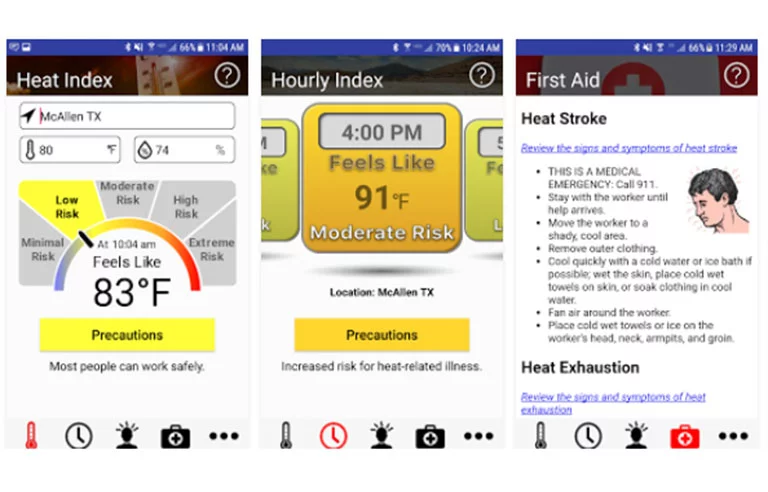
Encourage your employees to be prepared by downloading the OSHA-NIOSH Heat Safety Tool. It includes a real-time heat index, hourly forecasts, and first aid for heat stroke and heat exhaustion. 

The Heat is On–Is Your Workforce Safe? Read More »

Cold Work Hazards

Working outside in cold weather can be uncomfortable. It can also be dangerous. On very cold days, employees should take adequate precautions to prevent cold-related illnesses including frostbite and hypothermia.

The First Signs of Frostbite

Since your body prioritizes keeping your internal organs warm, blood flow to your extremities decreases—blood flow that is vital to keeping that tissue alive. The fingers, toes, nose, ears, cheeks, and chin are the areas most likely to be affected by frostbite. Frostbite occurs when the skin and the tissue just below the skin freeze, leading to cell death and possibly irreversible damage, with severe cases resulting in amputation.

The first signs and symptoms of frostbite are:

  • Cold
  • Tingling, stinging, or aching feeling
  • Numbness
  • Changes in skin color from red to purple to white and, eventually, blue

What You Should Do

If you are feeling the first signs of frostbite, get into a warm area as soon as possible. Wrap the affected area in a warm cloth or use a hot pack. Using body heat to warm the affected area is also effective, for example tucking cold fingers under your armpit. If the concerned extremity is your hands or feet, you may immerse them in warm water.

Warning: if you have progressed to the stage of numbness, be very careful, as you may not be able to discern the temperature of the water and accidentally scald your skin.

Warning: Do not rub your hands! Although this produces heat, it can also damage tissue. Likewise, avoid walking on possibly frostbitten feet/toes.

More Extreme Exposure: Hypothermia

In extreme cold, your body begins losing heat faster than it can produce it, resulting in a drop in body temperature called hypothermia. This can result in a medical emergency, so it is important to react as soon as possible.

The signs and symptoms of hypothermia are:

  • Shivering
  • Lack of coordination—dropping things or tripping
  • Slurred speech
  • Memory loss
  • Pale skin
  • Rapid heart rate and/or breathing

What You Should Do

If you are feeling any signs of hypothermia, get to a warm area as soon as possible. At this point, you don’t just need to stop heat loss, you need to warm up your core temperature. Remove wet clothes and cover your body and head with dry clothes and blankets. Sip a warm, sugary drink, and stay lightly active.

Precautions

The best treatment is to avoid frostbite and hypothermia altogether. Dressing appropriately for freezing temperatures, keeping extra clothes in the vehicle for cold snaps, and taking warm-up breaks inside or in a warm vehicle are all effective in avoiding cold work hazards.

Buddy Up!

A very low body temperature affects the brain, so people often will not notice the symptoms of hypothermia in themselves. Look out for your co-workers in cold conditions. Are they fumbling? Do they seem confused? Is their skin noticeably pale? Usher them into a warm place and help them follow the above protocols for recovery.

Cold Work Hazards Read More »